
It was was jam packed and over too soon

From the informal gathering the night before it started to the celebratory champaign at the end, Cop Camp in Appleton, Wisconsin, was amazing and inspiring.
Cop Camp is the informal name for the Cops and Writers Interactive Conference, and I was lucky enough to be in the inaugural group June 1-4.
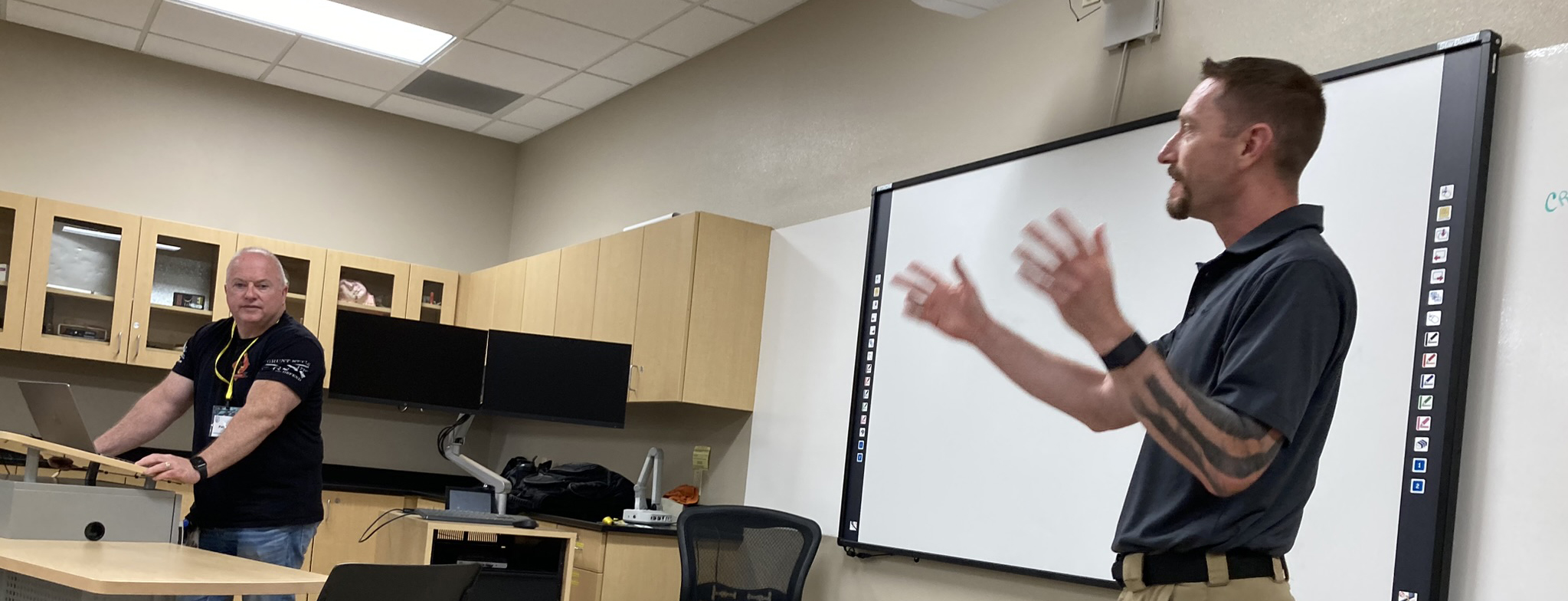
Cop, writer and Wisconsin technical college instructor R.J. Beam approached Cops and Writers podcast host and author Patrick O’Donnell, a retired Milwaukee police officer, about setting up a workshop. They enlisted friends in law enforcement from across the nation, as well as friends from the indie writing world. Their goal was to develop a retreat for crime writers who want to get it right. Nothing too big, they planned to cap it at 30 to 40 writers.
Timing and conflict with other events reduced the number of the inaugural class to about a dozen. But for those of us who were there, it was both enlightening and inspiring. And, frankly, I am looking forward to next year. The small-group setting really appealed to my needs as a writer.
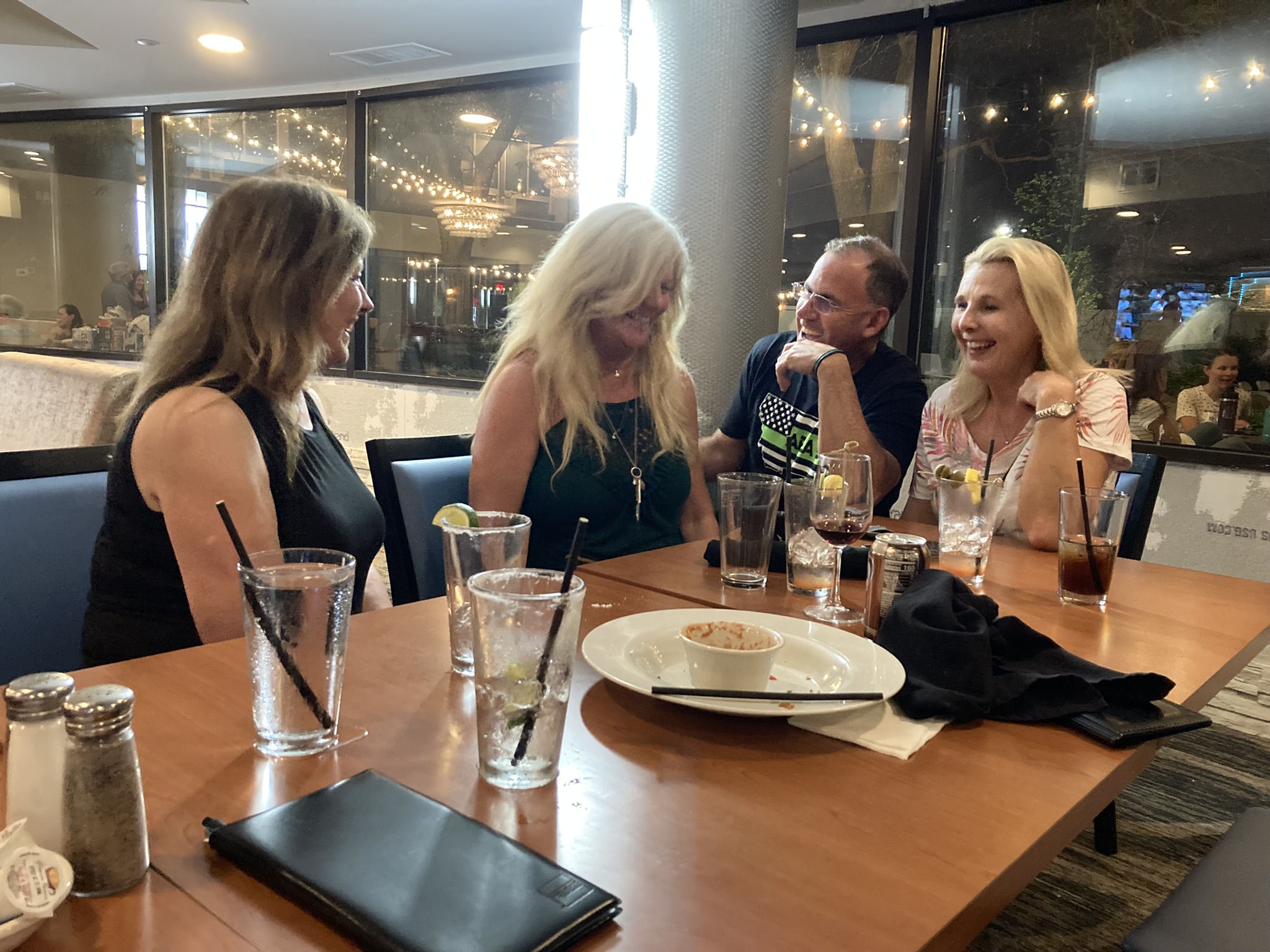
Most of us arrived the night before and gathered in the hotel restaurant for a casual gathering where we met, chatted, hoisted a few beverages, and waited while Patrick made trips to the airport to collect speakers whose flights were delayed. The friendly companionship we started the first night became a hallmark of the event.
Not only did we hear detailed first-hand accounts from folks who work in every aspect of law-enforcement, we also had time with some top-earning, fast-release indie authors, such as Michael Anderle.
I also enjoyed meeting some new authors — most from around the Midwest. One new friend, Madeleine Roberts, who writes as Madeleine Eskedahl, came all the way from New Zealand to immerse herself in US cop culture. (She also stayed for the following week’s Writers’ Police Academy, but I’ve talked about that before.)
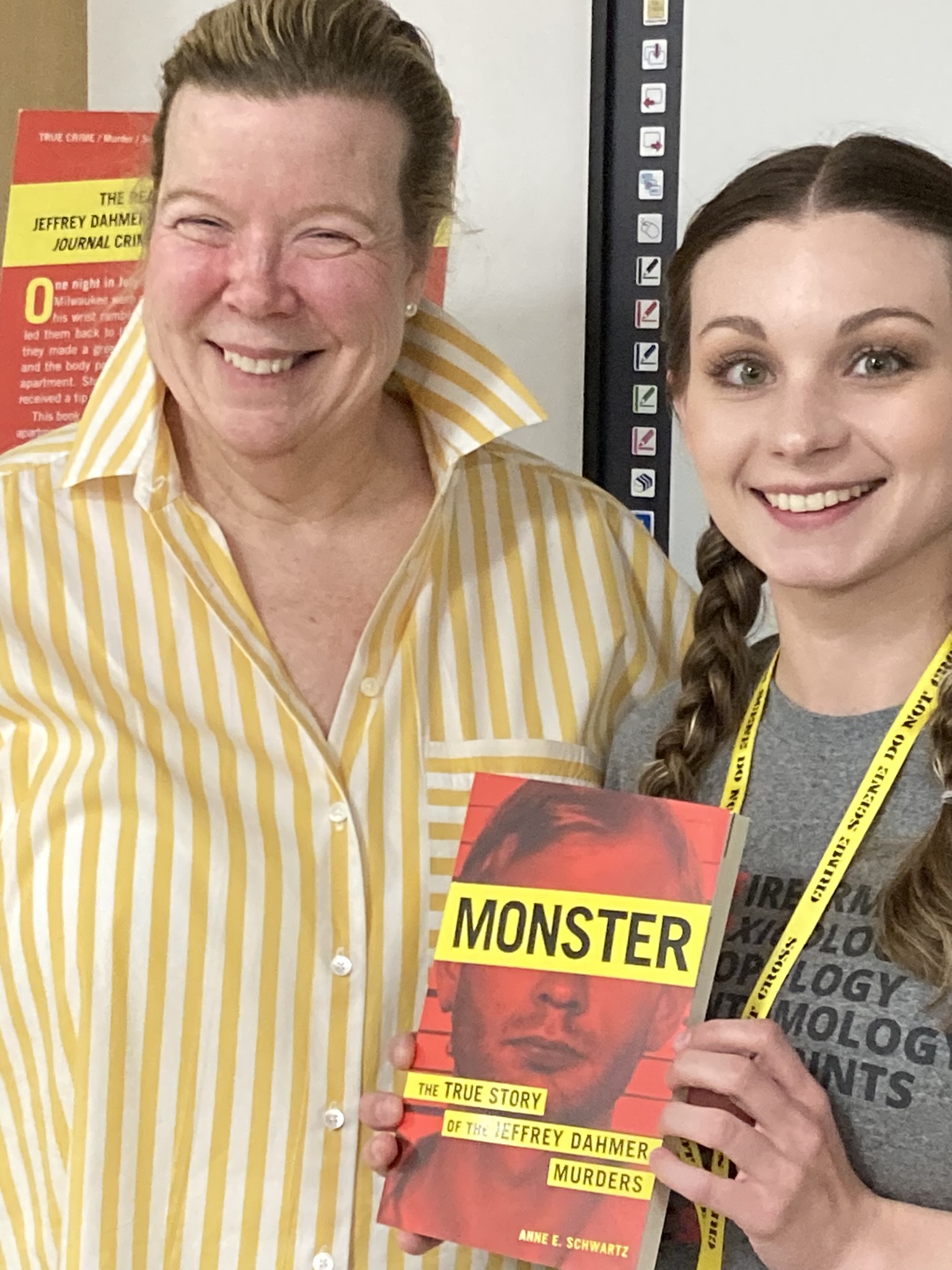
Some of my favorite hands-on sessions were with Appleton, Wisconsin, crime scene investigator Falynne Gerisch. Not only did she help us collect fingerprints in a variety of ways, she also showed us some other techniques for evidence collection. And she’ll be showing up in my work-in-progress as my CSI.
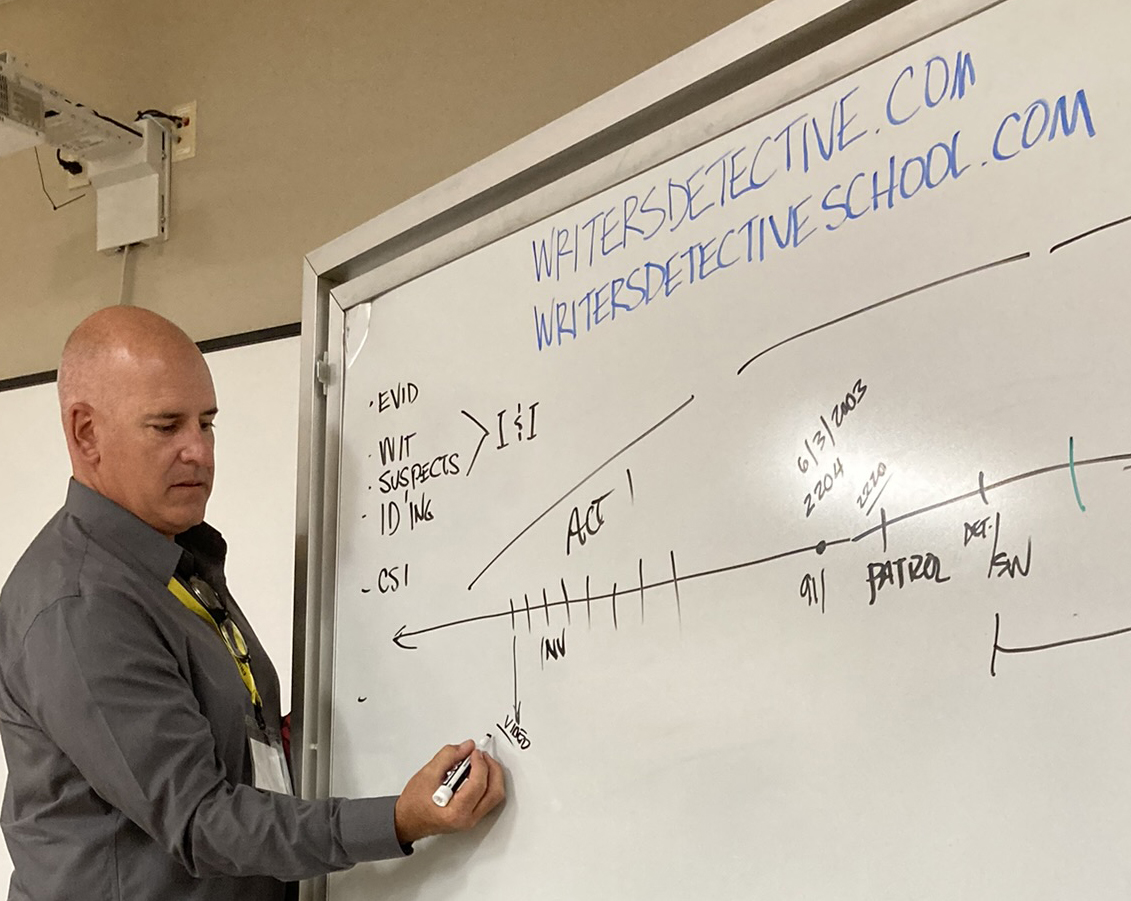
I also loved the crime scene. We were teamed up with partners to investigate a shooting death at the police academy version of the “No-Tell Motel.” After we collected evidence and formed our theories, we got to debrief. And then, in one of the last sessions, B Adam Richarson of the Writer’s Detective Bureau podcast, turned our investigation into a murder board.
I could go on much longer, but I like to keep these short. Suffice it to say, I think if you are a slightly introverted crime fiction (or true crime) writer — or even if you are outgoing but love to get things right — you owe it to yourself to grab one of the seats at next year’s event.
You just can’t have mine.
(The top photo was provided by Cop Camp organizers; the rest are Sharon’s.)

 sharon p. lynn