

My local writing group just held its first Writing Day Camp for Big Kids (high school age and older). My contribution was this list of tips to help finish.
1. Pick your project

What sort of project do you want to try? Aiming for a well-written family Christmas card is a much different goal that trying to write a full novel. Knowing what your goal is will help you figure out how much time you’ll need to plan for the project.
If you’re just getting started with writing, it may help to begin with smaller projects so you can learn how nice it feels–and how long it really takes–to finish something.
2. Get started
There is no right way to start your project. We’ve shown you how to start from a prompt today. You can also start from scratch, a process many call pantsing – writing by the seat of your pants. Or you can plot. If you like the idea of plotting, there are all sorts of free resources on the web, including:
https://www.cultofpedagogy.com/narrative-writing/ (This is for teachers to guide students, but it has all the main steps for planning a story.)
https://jerichowriters.com/how-to-plot-a-novel/ (standard plotting)
https://jerichowriters.com/how-to-plot/ (“snowflake” plotting
Sites like these will often ask you to sign up for newsletters or buy classes or services. Feel free to ignore the requests. You can look at these without buying anything.
A book may be bigger than what you want to do, but the steps and advice can be pared down to smaller projects.
3. Schedule time to write
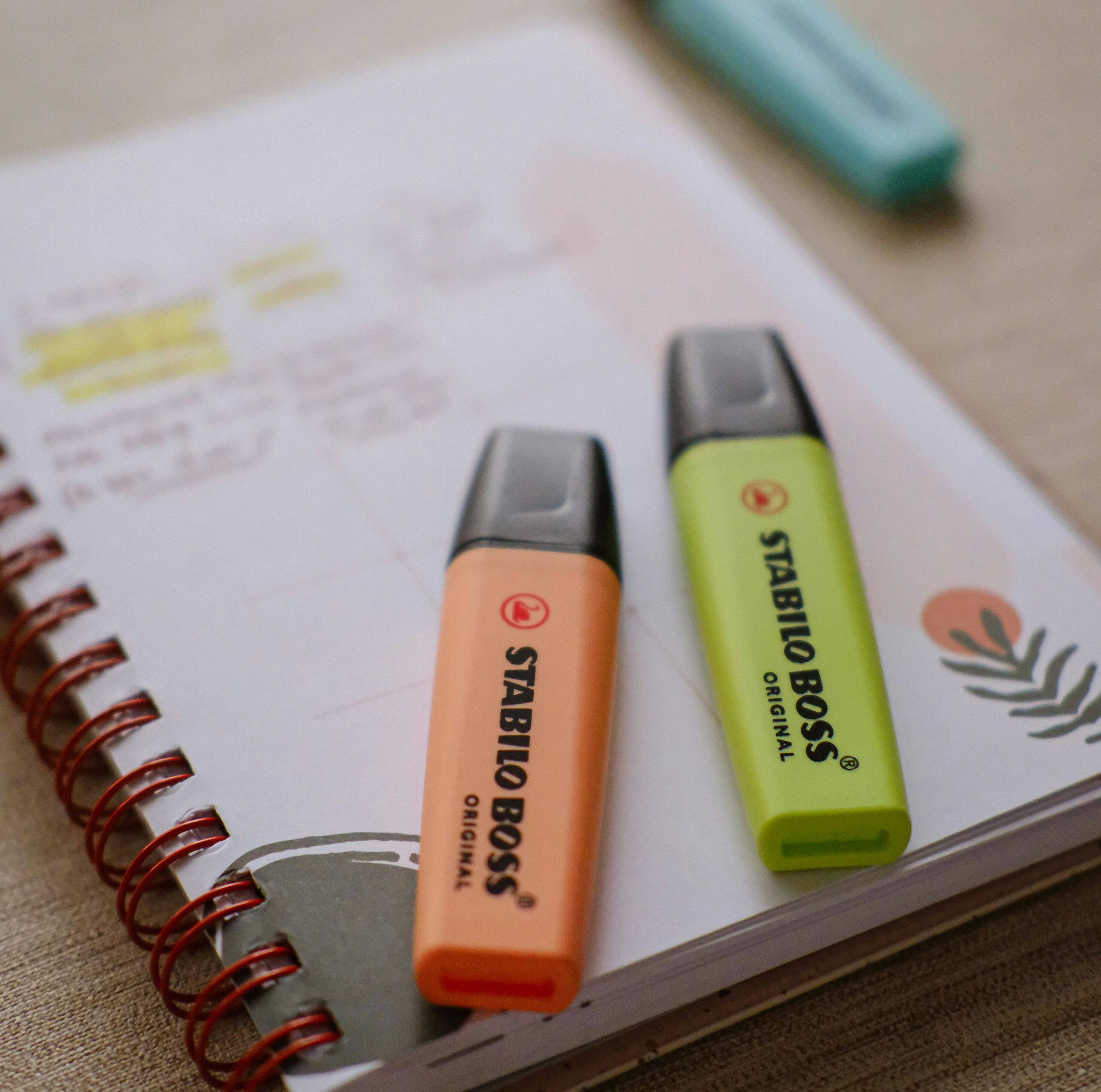
Put writing time in your calendar. One of the biggest problems we Gals have faced is working writing into our lives. And while you often hear the advice that your must write every day, it’s more important to keep to a schedule even if it’s less frequent. I know a couple of novelists who have completed books with the bulk of their writing time coming on weekends.
Seriously, if you keep a calendar, put your writing time on it. In BIG HIGHLIGHTED LETTERS if that helps.
If you miss a writing appointment, don’t quit. Just pick up at your next scheduled date. It’s all about building a habit.
4. Read
Read often and widely. Stephen King says he writes every morning and reads every afternoon. It helps to read the kinds of articles, essays or books you want to write. But it also helps to read well-written books of any type. Fiction or nonfiction, literary or genre. I’ve always believed the rules of writing seeped into my mind as I read books, magazines and newspapers as a child. I was good at writing in school not because I could diagram sentences well – I hated doing that—or because I remember all the rules of grammar. I still think I learn every time I read someone else’s work.
To keep your reading on track, there are books clubs in the area. I belong to a couple online and a couple at the Freeport Public Library. Check your nearest library to see if they have one.
5. Find your writing group

There are any number of regional, national, and international organizations for writers. They revolve around topics, genres and geographic areas. Some meet online, some in person. Membership costs vary. Here are a few to consider:
Chicago Writers Association — https://www.chicagowrites.org/join
Northern Illinois Newspaper Association — https://ninaonlinedotorg.wordpress.com/membership-2/
National Federal of Press Women — https://www.nfpw.org/join-nfpw
Illinois Women’s Press Association — https://www.iwpa.org/membership/join-us/
Wisconsin Writers Association — https://wiwrite.org/about-wwa-2/join
Off Campus Writers’ Workshop — https://ocww.info/join-ocww
Sisters in Crime — https://www.sistersincrime.org/page/join-now (There are Chicagoland and Wisconsin chapters of this group, as well as the totally online Guppy chapter.)
Women Fiction Writers Association — https://wfwa.memberclicks.net/index.php?option=com_mcform&view=ngforms&id=38580#/
Academy of American Poets — https://poets.org/membership
Haiku Society of America — https://www.hsa-haiku.org/join.htm
Society of Children’s Book Writers and Illustrators — https://www.scbwi.org/membership
Creative Academy for Writers — https://creativeacademyforwriters.com/join-us/ (This group is headquartered in Vancouver, BC, Canada. You can join and take part in many activities for free.)
Historical Novel Society — https://historicalnovelsociety.org/members/why-join-the-society/ (Founded in the UK, it also has a US headquarters.)
American Christian Fiction Writers — https://acfw.com/acfw-membership/
National Association of Memoir Writers — https://www.namw.org/become-a-member/
Speculative Literature Foundation — https://speculativeliterature.org/membership/ (For information about the Chicago chapter, drop a note to lewella@speculativeliterature.org.)
Happy writing, everyone.
À bientôt!
 sharon p. lynn