
I spent time with New Zealand authors who have killed a lot of people this year. Here is my quick review of four books by three writers. Check it out at https://heyijustread.wordpress.com/2024/09/30/death-with-kiwis/
can't help telling stories

I spent time with New Zealand authors who have killed a lot of people this year. Here is my quick review of four books by three writers. Check it out at https://heyijustread.wordpress.com/2024/09/30/death-with-kiwis/
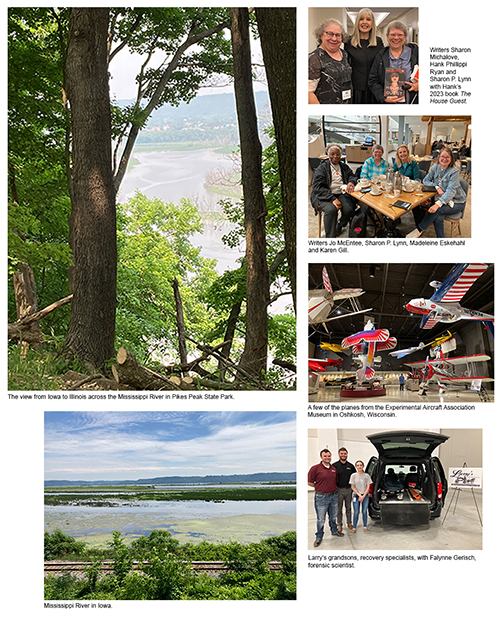
For the first time in several years, I spent the entire month of June at home. And what do I have to show for it?
My biggest thrill since May is that I learned a short story I wrote was selected for the Sisters in Crime Guppy Chapter anthology, Gone Fishing: Crime Takes a Holiday. I have comments from the editor and I’ll be making changes before the book comes out next February. That alone makes this a great month to be home.
But I also have a bit more than 13,000 words in my novel rewrite. And I spent some time with visiting family and friends.
I also took a few more random drives than I normally do this month because I was itching to get out of the house and see places. There’s something about being on the road that always sparks my imagination.
Compared to last year, when I spent days doing research in the Driftless Region of the Upper Mississippi and visiting museums in Wisconsin and Iowa, all after meeting people and learning things at Cop Camp and Writer’s Police Academy, this June seemed pretty tame.
I still have to master the discipline of working on the road. Award-winning journalist and author, Hank Phillippi Ryan, told me last year that she retreats to her hotel room at conferences so she can maintain her daily writing schedule. No wonder she wins awards!
Still, travel is a way to widen one’s experience in a way that sitting with books or travel shows on TV just can’t do.
I feel the need for a short, research trip. Maybe — if I can get to 50,000 words on my novel revision — I should plan a short jaunt to another spot in the Midwest that I want to write about.
In the meantime, I should put my words toward that effort.
À bientôt!
I just posted a review of Mindy Mejia’s latest thriller, To Catch at Storm, at https://heyijustread.wordpress.com/2023/08/24/to-catch-a-storm/.

From the informal gathering the night before it started to the celebratory champaign at the end, Cop Camp in Appleton, Wisconsin, was amazing and inspiring.
Cop Camp is the informal name for the Cops and Writers Interactive Conference, and I was lucky enough to be in the inaugural group June 1-4.
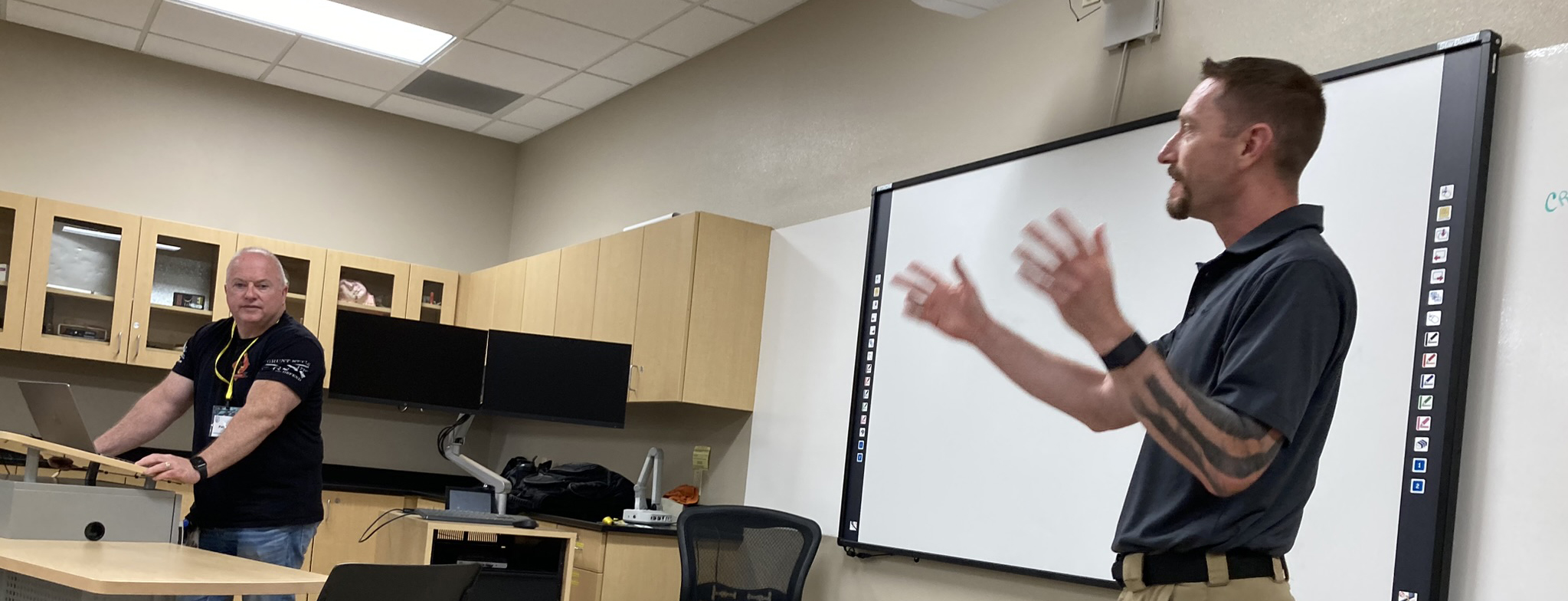
Cop, writer and Wisconsin technical college instructor R.J. Beam approached Cops and Writers podcast host and author Patrick O’Donnell, a retired Milwaukee police officer, about setting up a workshop. They enlisted friends in law enforcement from across the nation, as well as friends from the indie writing world. Their goal was to develop a retreat for crime writers who want to get it right. Nothing too big, they planned to cap it at 30 to 40 writers.
Timing and conflict with other events reduced the number of the inaugural class to about a dozen. But for those of us who were there, it was both enlightening and inspiring. And, frankly, I am looking forward to next year. The small-group setting really appealed to my needs as a writer.
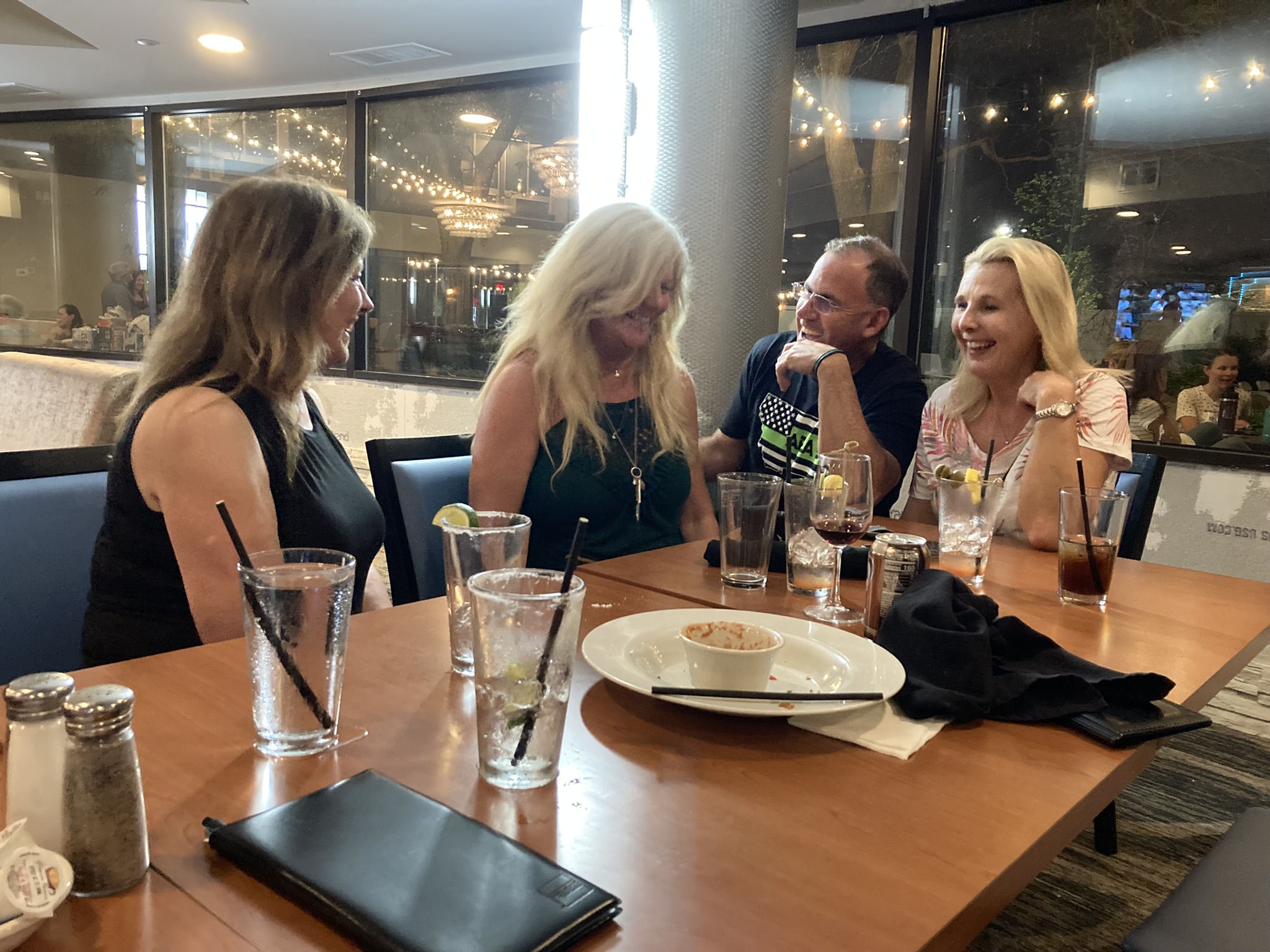
Most of us arrived the night before and gathered in the hotel restaurant for a casual gathering where we met, chatted, hoisted a few beverages, and waited while Patrick made trips to the airport to collect speakers whose flights were delayed. The friendly companionship we started the first night became a hallmark of the event.
Not only did we hear detailed first-hand accounts from folks who work in every aspect of law-enforcement, we also had time with some top-earning, fast-release indie authors, such as Michael Anderle.
I also enjoyed meeting some new authors — most from around the Midwest. One new friend, Madeleine Roberts, who writes as Madeleine Eskedahl, came all the way from New Zealand to immerse herself in US cop culture. (She also stayed for the following week’s Writers’ Police Academy, but I’ve talked about that before.)
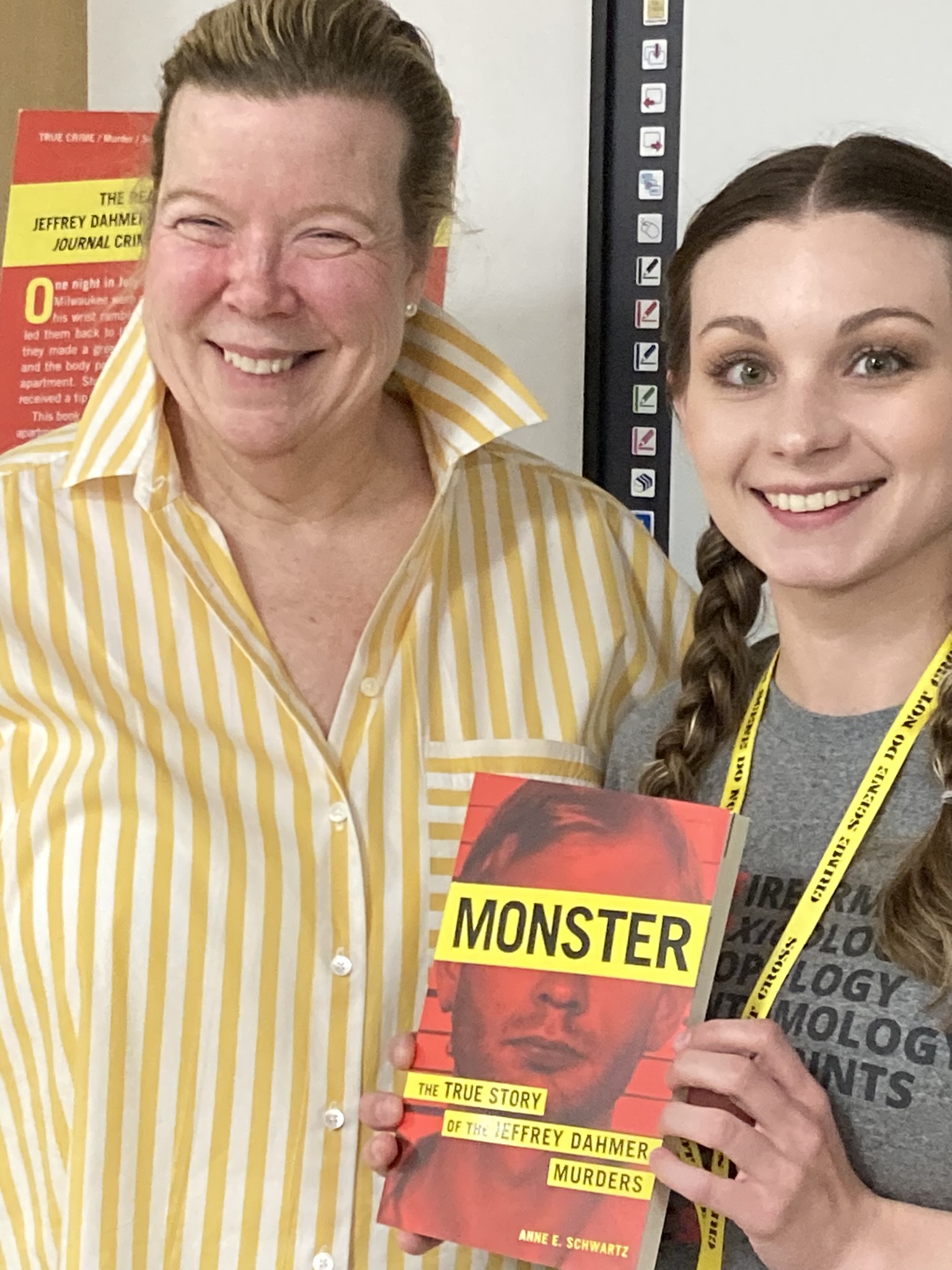
Some of my favorite hands-on sessions were with Appleton, Wisconsin, crime scene investigator Falynne Gerisch. Not only did she help us collect fingerprints in a variety of ways, she also showed us some other techniques for evidence collection. And she’ll be showing up in my work-in-progress as my CSI.
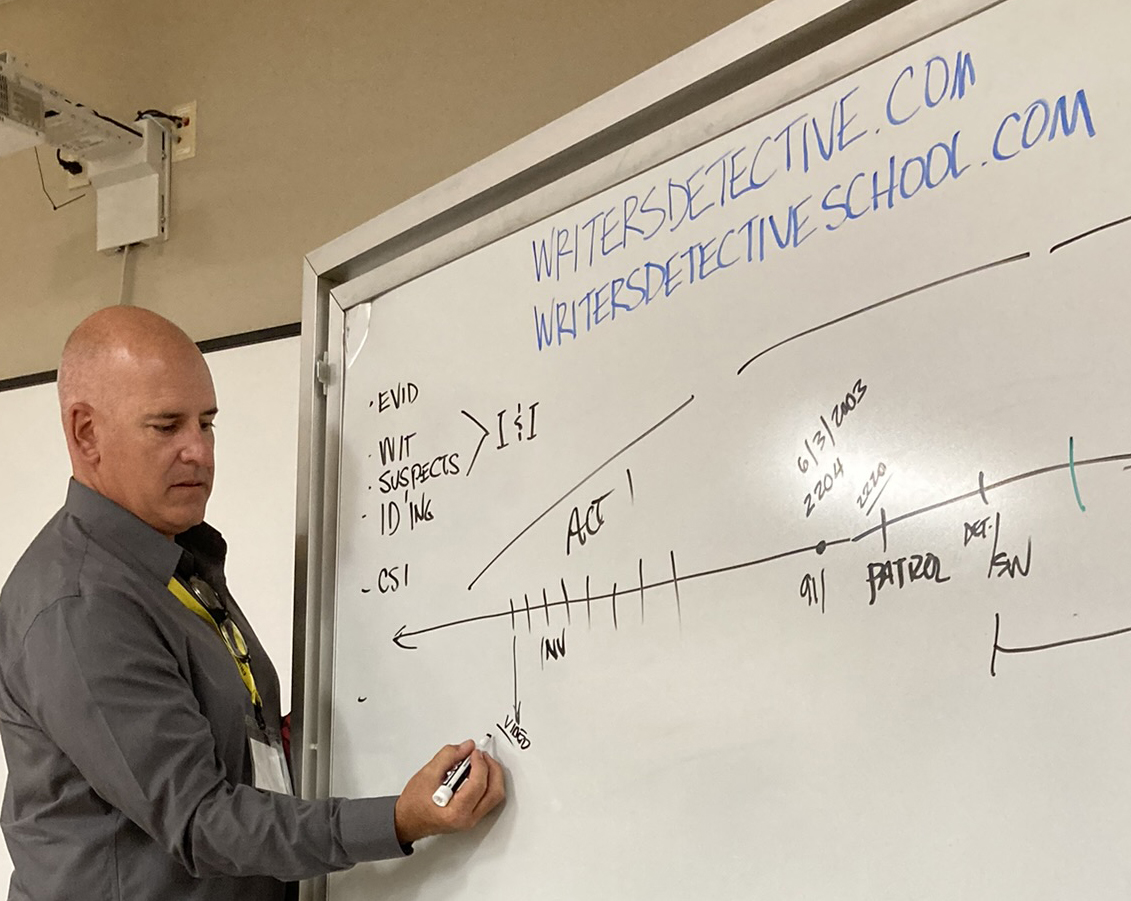
I also loved the crime scene. We were teamed up with partners to investigate a shooting death at the police academy version of the “No-Tell Motel.” After we collected evidence and formed our theories, we got to debrief. And then, in one of the last sessions, B Adam Richarson of the Writer’s Detective Bureau podcast, turned our investigation into a murder board.
I could go on much longer, but I like to keep these short. Suffice it to say, I think if you are a slightly introverted crime fiction (or true crime) writer — or even if you are outgoing but love to get things right — you owe it to yourself to grab one of the seats at next year’s event.
You just can’t have mine.
(The top photo was provided by Cop Camp organizers; the rest are Sharon’s.)
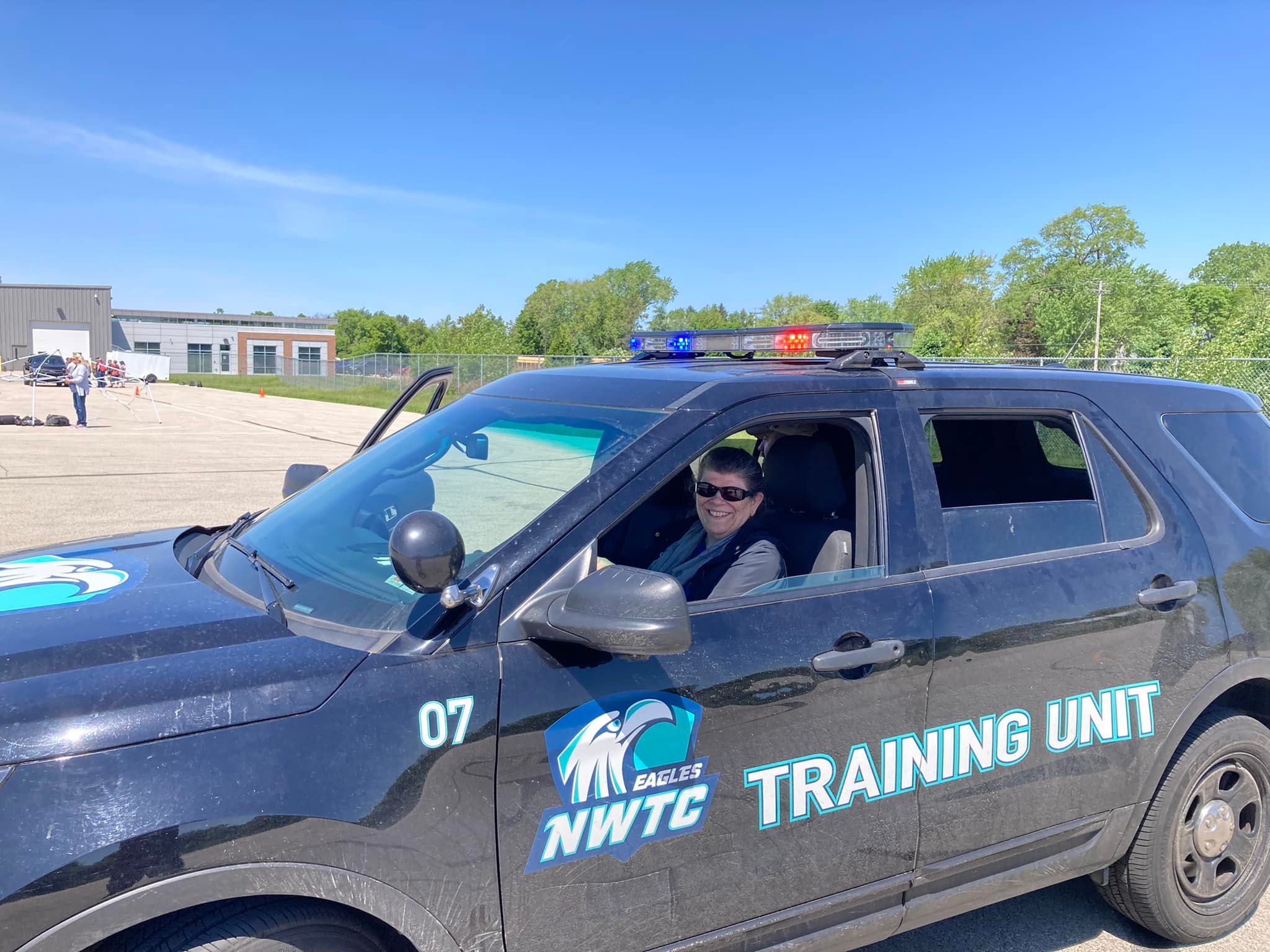
I just got back from my third Writers’ Police Academy and I’m still carrying that post-conference glow. You know, the one you get when you learn new things, meet friendly people, eat yummy food and have lots of fun?
I think the most fun this year was driving a squad car around the training track at Northeast Wisconsin Technical College. Our hosts for all things police academy rolled out the red carpet, and the orange traffic cones, to let a bunch of writers get hands-on experience just like they give to their actual law-enforcement recruits.
Since I’ve been home — can it really be two weeks already? — I’ve seen notes from fellow WPA’ers about their travel traumas coming and going from Appleton, Wisconsin. In my case, I have none of that. All I need to do is throw my gear in my car and take a leisurely afternoon drive from point A to point B..
My normal trips to Wisconsin are to buy gas, which is usually at least 30 cents cheaper per gallon than it is where I live in Illinois. But I do trek north for fun every now and then. WPA is one of those fun trips.
This year, I learned a lot from my first session to my last. Topics I signed up for this time ranged from body cameras to tribal policing. I also learned a lot about arms in America, how prolific they are and how assault weapons are defined in law. I stepped into a shoot-don’t-shoot video scenario, and would have been shot in real life. I’ve done it twice and been reluctant to shoot both times. And it was just a video! I understand more each time about how officers must feel when they have seconds to evaluate the threat level in any situation.
From the body cam session, I learned the lenses are the extreme wide-angle type called fish-eyes. You know that sign in your side mirror — “Objects are closer than they appear”? The same is true of body cams. I recall some video I saw on TV from an officer-involved shooting. What I took to be an image of someone at least 20 feet away from the policeman (it was a man) could actually have been someone less than half that distance away.
The instructor gave a a few examples, the most intriguing to me from a Florida arrest. The officer with the chest camera stood straight up, turning from side to side a few times, while it was clear that what was happening was on the ground. It all took place in a bank parking lot and a camera on the bank showed the whole picture. I won’t give it away, in case you decided to go to WPA next year.
I have learned so much from WPA in the three times I’ve attended. I hope to be able to go again. Many thanks to Lee Lofland, who has organized WPA and struggled through its headaches for the past 10 years or so. And thanks, too, to the Jason Weber, the public safety training director, and his team at NWTC, for sharing their knowledge, experience and equipment with all of us. Also, thanks to the other officers and agents who come to WPA every year to teach us new things.

Oh, and as for the turtle pursuit — that was my pace around the driver’s training track. My “training officer” encouraged me to speed up. “You have the skills,” he said, trying to encourage me as I wove through a slalom course of orange cones.
Fact is, not a cone was hurt during my two trips around the course.
Not many can say that.
 sharon p. lynn