First consider

With the discovery of a lost Harper Lee manuscript, writers are talking about what to do with a first manuscript. At Writing the Novel, an author panel organized by WNIJ public radio at Northern Illinois University, the topic came up. (Another session is scheduled Feb. 18; check here for details.) While the stories of the three panelists varied, none said his or her first novel fell from their fingertips to publication without some bumps — and some work — in the road. Anne R. Allen offers some advice about what to do with first novels in this blog post.

Anne R. Allen’s Blog: Should You “Send Out” that First Novel? 9 Things to Consider First

http://annerallen.blogspot.com/2015/02/should-you-send-out-that-first-novel-9.html?m=1
Take it from Zoë

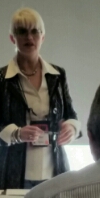
wpid-2015-02-08-20.03.06-1.jpg.jpegZoë Sharp is as another generous British author who was a featured presenter at Love Is Murder in Chicago last weekend. Not only did she take part in panels, she conducted a master class and, at tea time Saturday, she demonstrated self-defense techniques (with the help of Robert Goldsborough, who recovered with a seated massage in the exhibit hall shortly after).
In the master class, one tip she offered was to give careful thought to where to start your story. Sure, that’s not new advice. But in the context of her presentation, I completely rethought the beginning of a book I’ve been working on for the last couple years. That was one of the moments that made the whole conference worth the price of admission.
If you’re unfamiliar with Zoë’s work, even if you aren’t a fan of suspenseful stories, take a look at her Charlie Fox series. If you do nothing more than make a study of her first lines, she’ll inspire you. Check out her website, At the Sharp End … .

Plan for your conference

The advice in this essay is good for anyone heading to a writers’ conference. I heard variations on all of these tips from agents and editors again last weekend.
But I heard one bit of contradictory advice, too. While it’s true that agents would rather not hear you read your pitch, they understand you might be nervous. If that’s the case, they say, tell them and ask if you can read your opening bit. Most will say yes.
Make sure what you prepare is short. When you’ve finished reading, try to relax and answer questions without your notes.

Attending a Writers’ Conference? Here’s How to Prepare
http://thewritelife.com/attending-a-writers-conference-prepare/