
I just posted a review of Mindy Mejia’s latest thriller, To Catch at Storm, at https://heyijustread.wordpress.com/2023/08/24/to-catch-a-storm/.
can't help telling stories

I just posted a review of Mindy Mejia’s latest thriller, To Catch at Storm, at https://heyijustread.wordpress.com/2023/08/24/to-catch-a-storm/.

From the informal gathering the night before it started to the celebratory champaign at the end, Cop Camp in Appleton, Wisconsin, was amazing and inspiring.
Cop Camp is the informal name for the Cops and Writers Interactive Conference, and I was lucky enough to be in the inaugural group June 1-4.
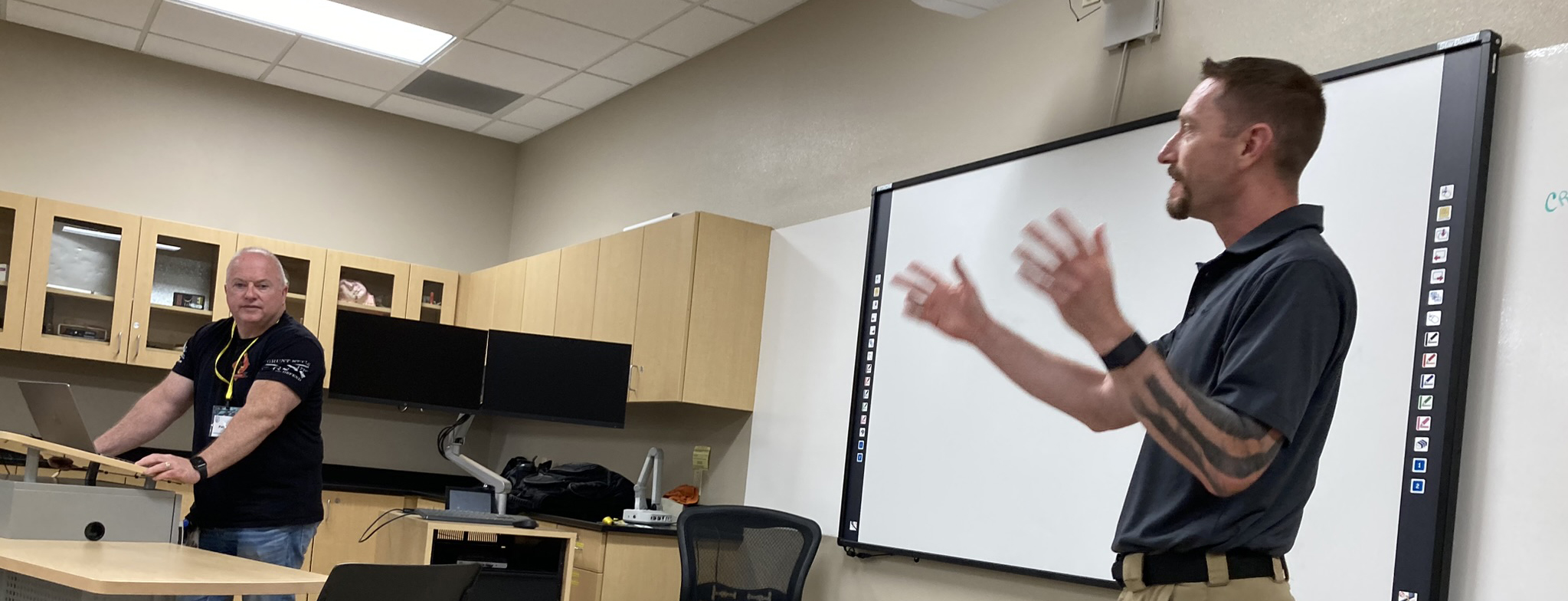
Cop, writer and Wisconsin technical college instructor R.J. Beam approached Cops and Writers podcast host and author Patrick O’Donnell, a retired Milwaukee police officer, about setting up a workshop. They enlisted friends in law enforcement from across the nation, as well as friends from the indie writing world. Their goal was to develop a retreat for crime writers who want to get it right. Nothing too big, they planned to cap it at 30 to 40 writers.
Timing and conflict with other events reduced the number of the inaugural class to about a dozen. But for those of us who were there, it was both enlightening and inspiring. And, frankly, I am looking forward to next year. The small-group setting really appealed to my needs as a writer.
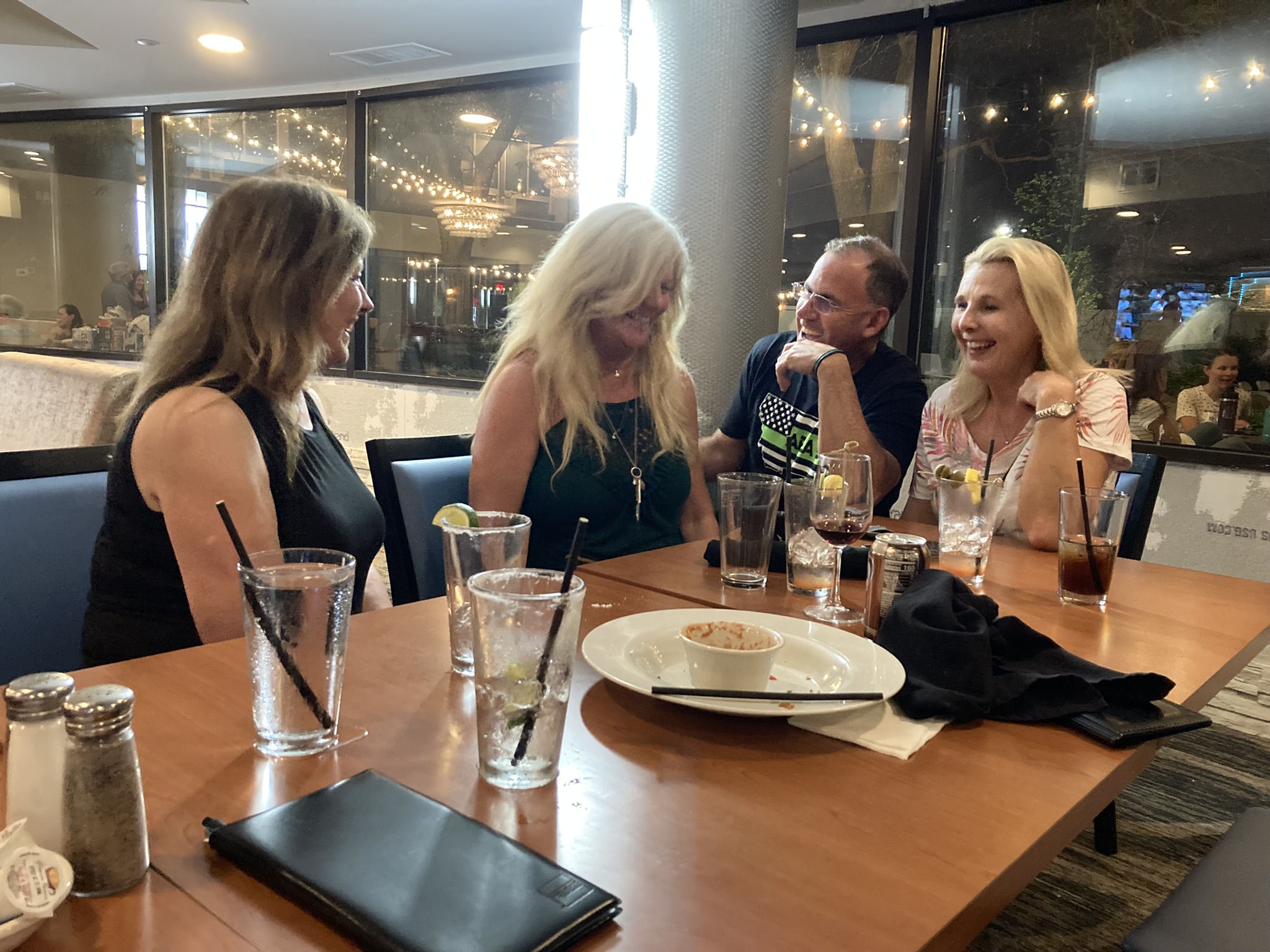
Most of us arrived the night before and gathered in the hotel restaurant for a casual gathering where we met, chatted, hoisted a few beverages, and waited while Patrick made trips to the airport to collect speakers whose flights were delayed. The friendly companionship we started the first night became a hallmark of the event.
Not only did we hear detailed first-hand accounts from folks who work in every aspect of law-enforcement, we also had time with some top-earning, fast-release indie authors, such as Michael Anderle.
I also enjoyed meeting some new authors — most from around the Midwest. One new friend, Madeleine Roberts, who writes as Madeleine Eskedahl, came all the way from New Zealand to immerse herself in US cop culture. (She also stayed for the following week’s Writers’ Police Academy, but I’ve talked about that before.)
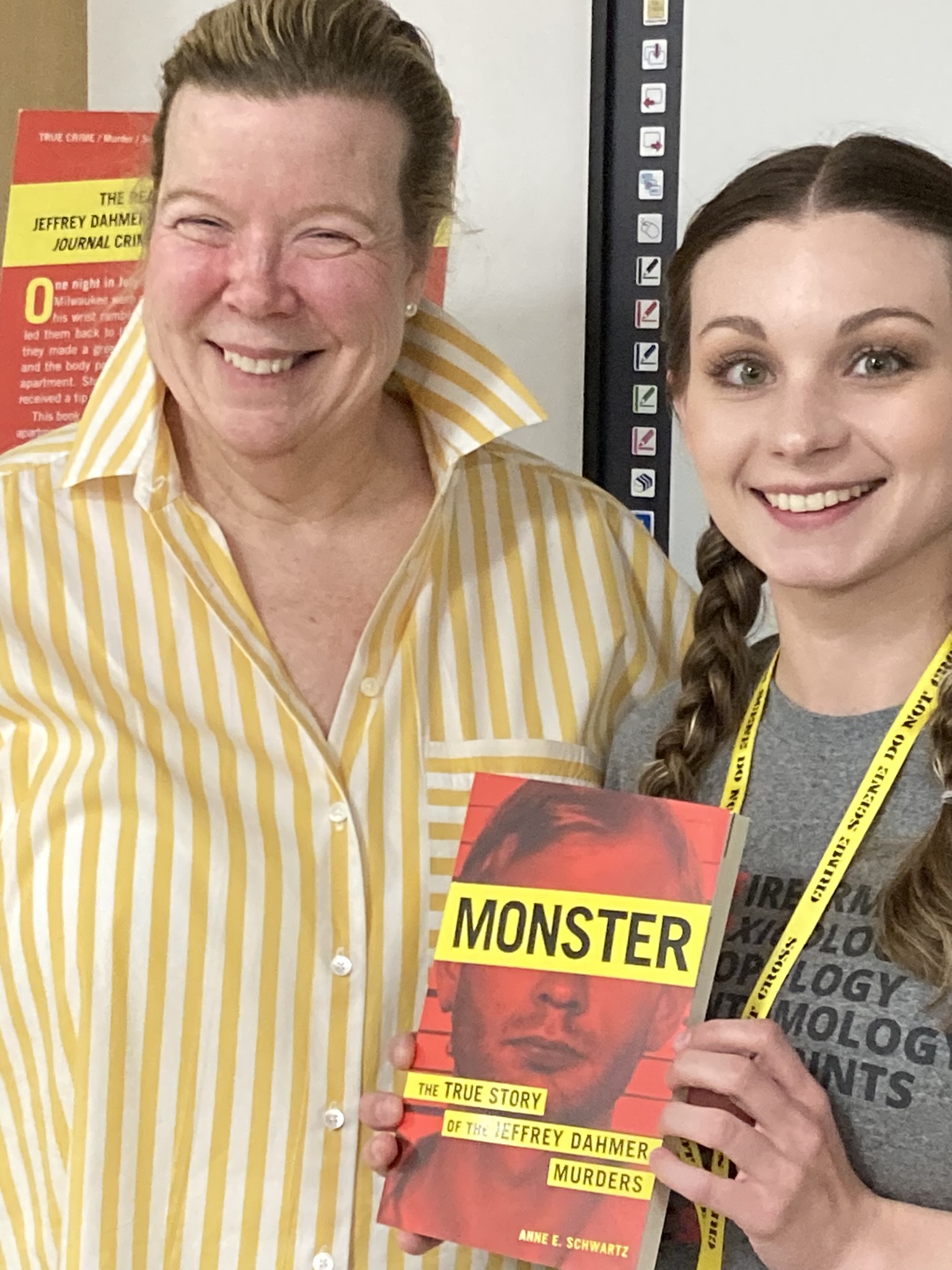
Some of my favorite hands-on sessions were with Appleton, Wisconsin, crime scene investigator Falynne Gerisch. Not only did she help us collect fingerprints in a variety of ways, she also showed us some other techniques for evidence collection. And she’ll be showing up in my work-in-progress as my CSI.
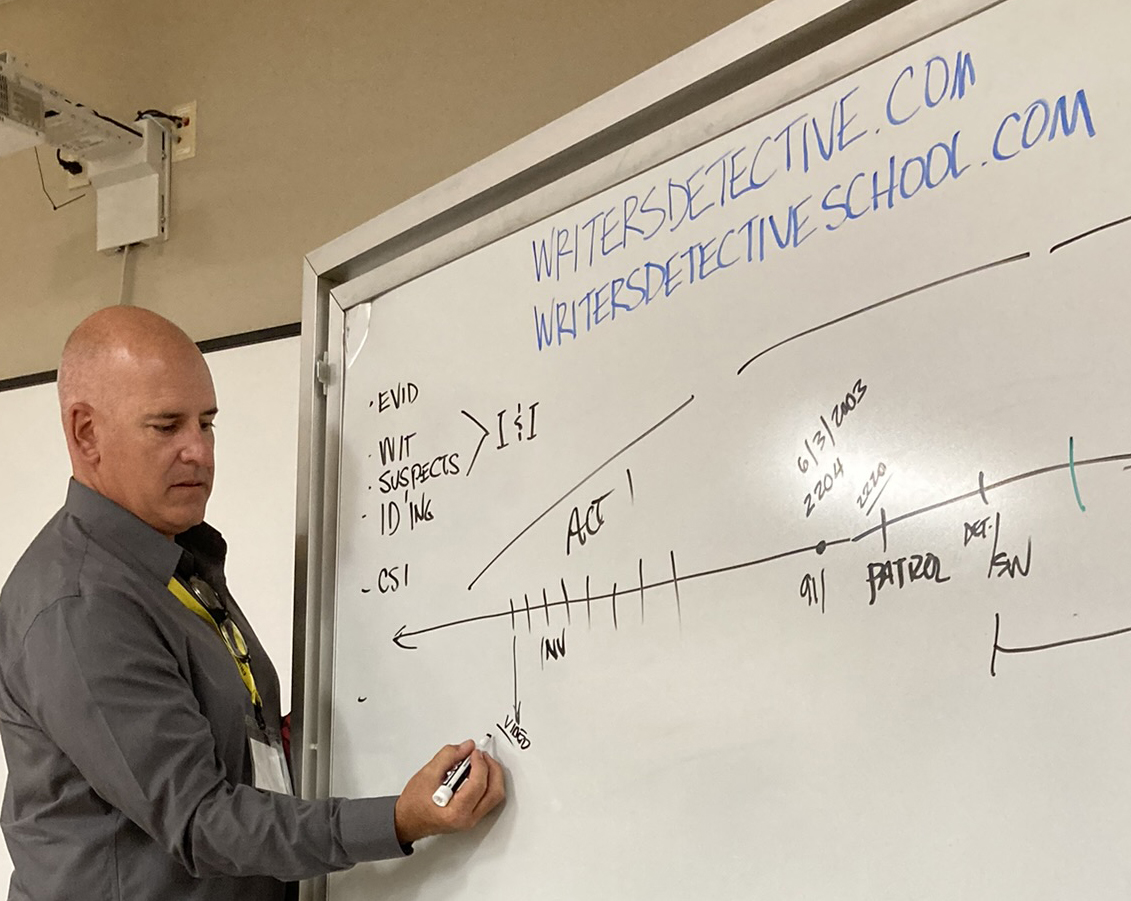
I also loved the crime scene. We were teamed up with partners to investigate a shooting death at the police academy version of the “No-Tell Motel.” After we collected evidence and formed our theories, we got to debrief. And then, in one of the last sessions, B Adam Richarson of the Writer’s Detective Bureau podcast, turned our investigation into a murder board.
I could go on much longer, but I like to keep these short. Suffice it to say, I think if you are a slightly introverted crime fiction (or true crime) writer — or even if you are outgoing but love to get things right — you owe it to yourself to grab one of the seats at next year’s event.
You just can’t have mine.
(The top photo was provided by Cop Camp organizers; the rest are Sharon’s.)
Sometimes the museum right “next door” is one you forget to visit. But I’m glad our recent painting party with Barry Treu turned out to be small enough that he could host us at the Freeport Art Museum. We had fun creating variations on his “rainy day” picture of flowers in boot vases, we were literally sitting in the midst of the 19th Regional Juried Exhibition.
Featuring artists from throughout the Midwest, working in a variety of two- and three-dimensional media, the show will remain at FAM through July 29. Perry Eden, Linda Vietmeyer, Sheila Welch and Kathleen Wilken, all of Freeport, are just some of the artists whose work is featured in the regional show.
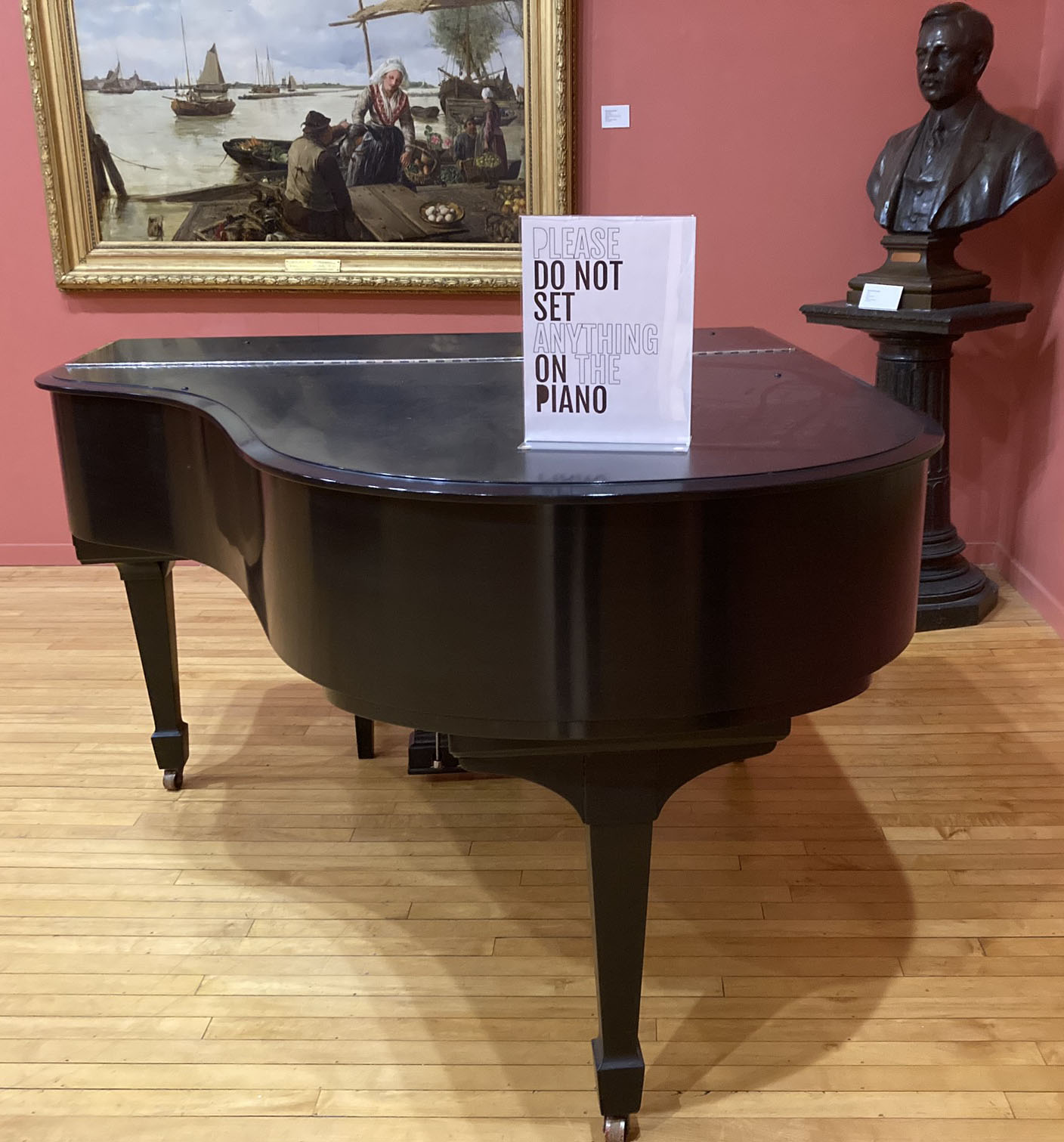
Before we left, we also had a chance to wander through the museum to see some of the other items on display. They are immensly varied. One of my favorites may not be intentional art, but it appeals to my (possibly weird) sense of humor. The “Please Do Not Set Anything on the Piano” sign — set on the piano — strikes my funny bone.
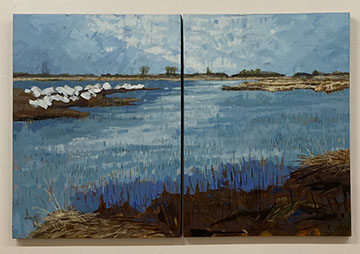
But on a more traditional note, I liked the dyptich — two-panel painting — called Pelican Island by Tara Keating.
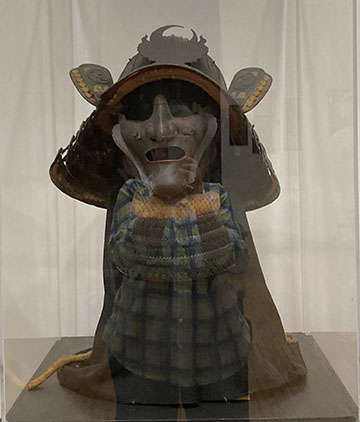
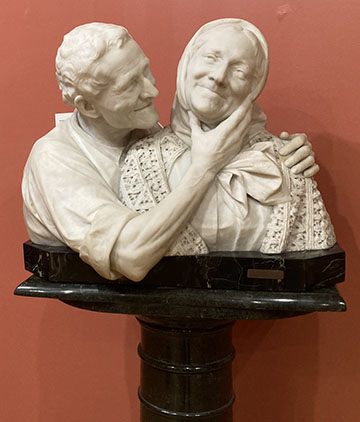
I also liked the late 17th century Samurai helmet and mask, and the flirty statue of peasants, carved in marble by Ferdinand Vichi.
No matter what is shown, its well worth a trip to enjoy the art in our midst at the Freeport Art Museum. And admission is a bargain at $3 for adults, $2 for senior citizens and students, and $10 for a family.
The museum is at 121 N Harlem Ave. Learn more at https://www.freeportartmuseum.com/
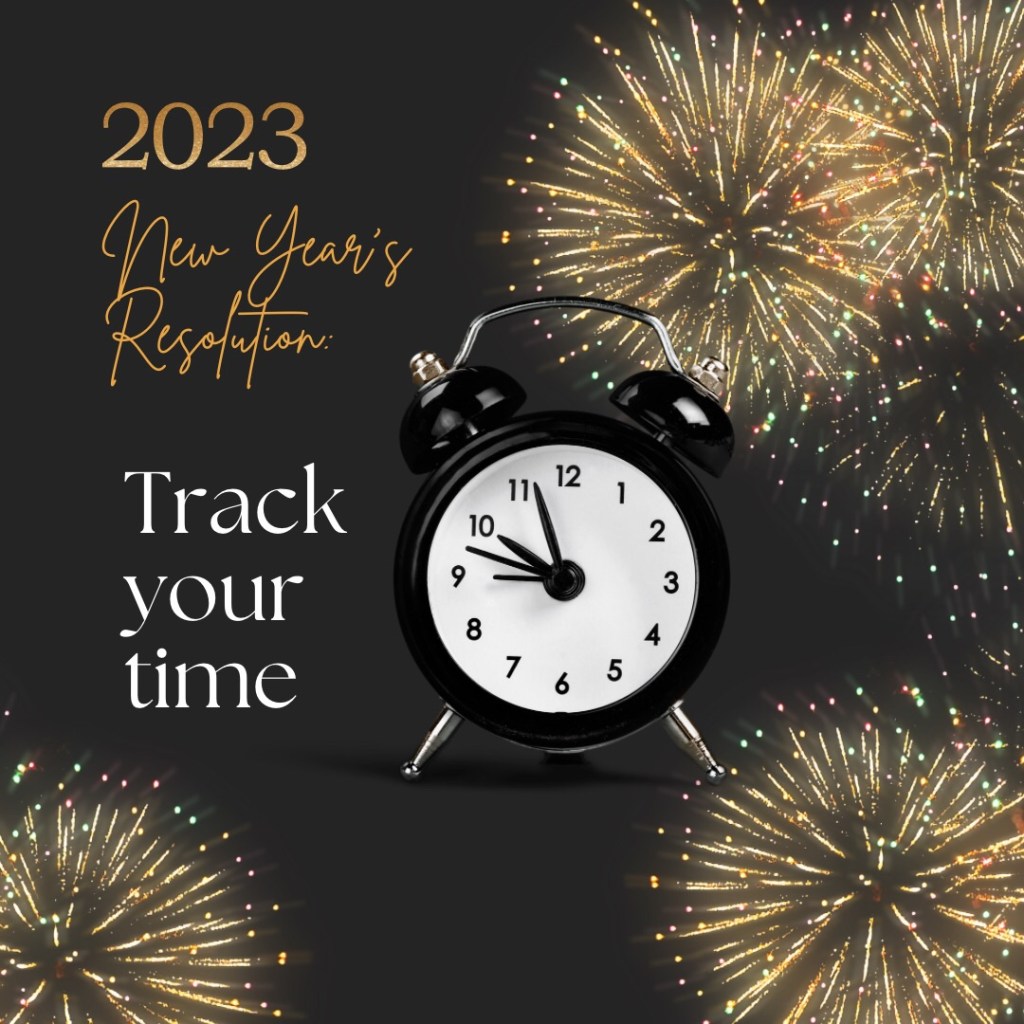
That’s what we do in the new year, right? We start fresh with a new calendar. We try to make this year “count” in some way that previous years haven’t.
I’ve always tried to give some of my time to volunteer pursuits, mainly by taking positions on various non-profit boards. And, thinking back, I’ve always taken the same kinds of roles — the ones that help with publicity or communication. These days, that tends to involve social media.
But since I’m mostly retired, I’m up to six groups. I counted the other day. (Stop me before I volunteer again!) Their demands vary, and one only needs attention from now until the end of April. But it needs a lot of attention.
Another needs a record of the hours its volunteers serve. In order to be eligible to vote at the annual meeting, volunteers must have provided at least 10 hours of service during the previous year. And the organization needs records of that service, not just to keep track of its voting members, but also to include in grant applications.
So, my new habit involves a timesheet — my new habit. I made a spreadsheet to help me keep track of the hours I’m spending for each group. I didn’t make it until Jan. 8, so I missed whatever I put in on the first week. That’s ok, because I didn’t do anything for the group that wants records until the day I started it. (And I need to give them a bit of time today.).
Since it’s all on the honor system, I’m rounding to the nearest quarter hour for all the groups. I hear that works for lawyers.
And I’ve been diligent since that first day.
I added it up yesterday and I’ve put in 51.75 hours of volunteer service to five of my six groups in the past two weeks. (The other one won’t meet until next week.)
But I also added a column for writing and revising. So I also learned that, until yesterday, I’d only put in 3 hours towards my novel. That’s no way to get revisions done.
I doubled the time yesterday. I focused on my revisions and spent 6 hours on them. That has to improve.
So, my new habit — my timekeeping — is already teaching me things about the balance in my life. And led me to my next goal, which is to make sure I get some writing and revising time in at least five days a week.
Wish me luck.
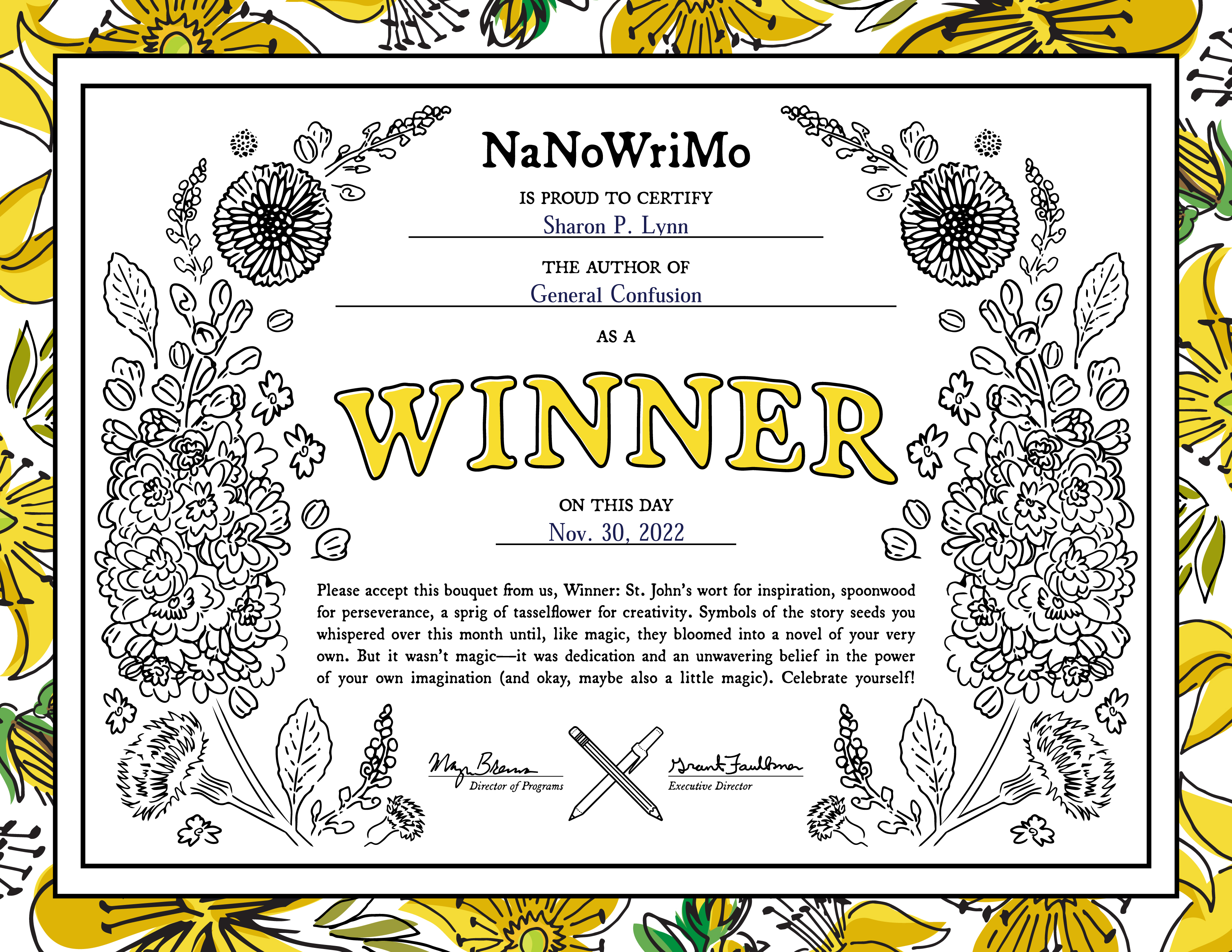
It was a journey through my keyboard this month, a journey to 50,000 new words toward as yet unpublished fiction. And, starting Dec. 1, my goal will be to get from the second half of the middle all the way to “The End.”
À bientôt!
 sharon p. lynn